Center for Oceanographic Research in the South-Eastern Pacific
HISTORY
Over the past two decades, oceanographic research in Chile has expanded significantly, with a strong contribution from the COPAS Center (Center for Oceanographic Research in the South-Eastern Pacific) at the University of Concepción. The project began as a center for fundamental marine science and later supported as a scientific center with a strong transfer component to society by ANID, first as COPAS Sur-Austral and, since 2021 as COPAS Coastal.
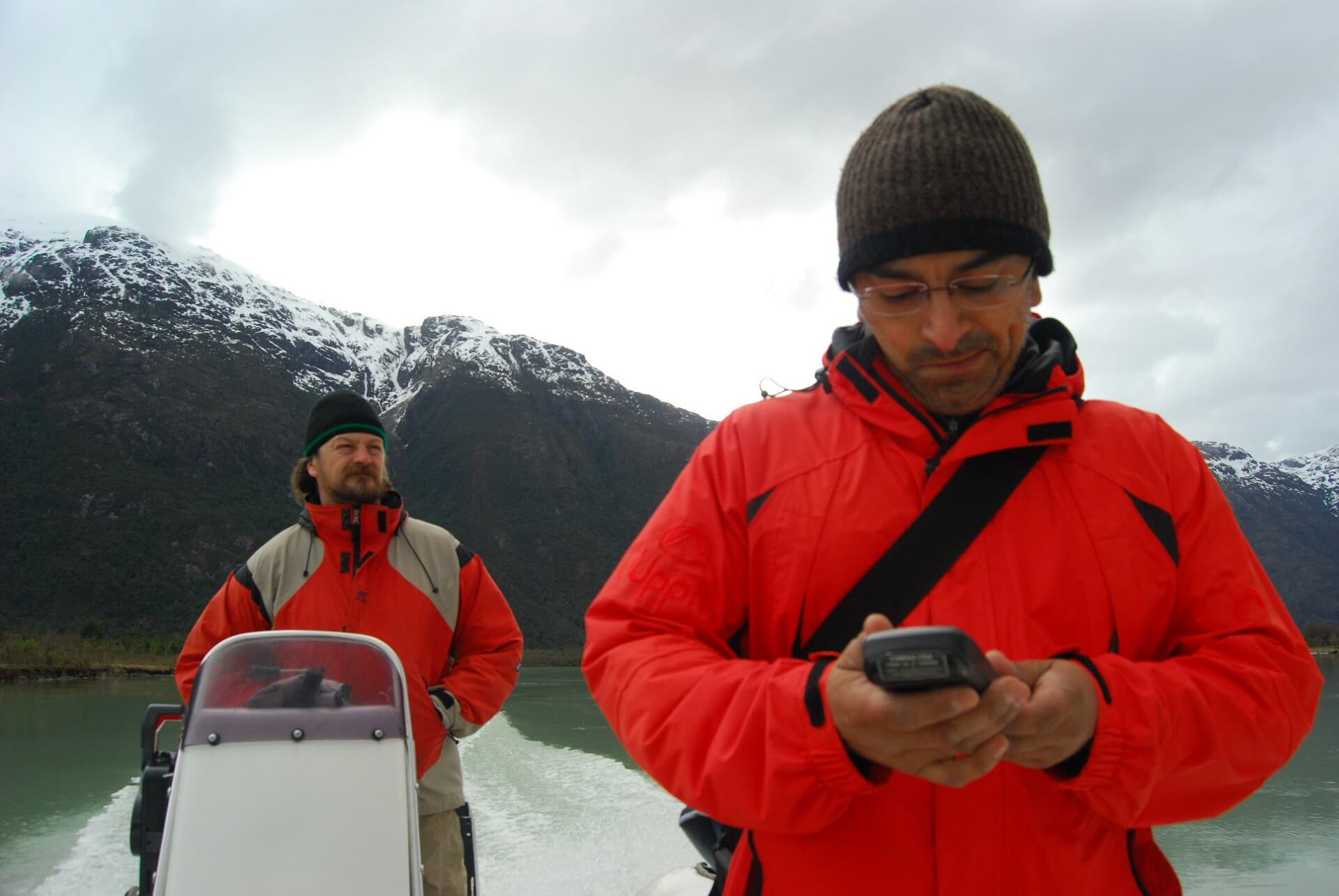
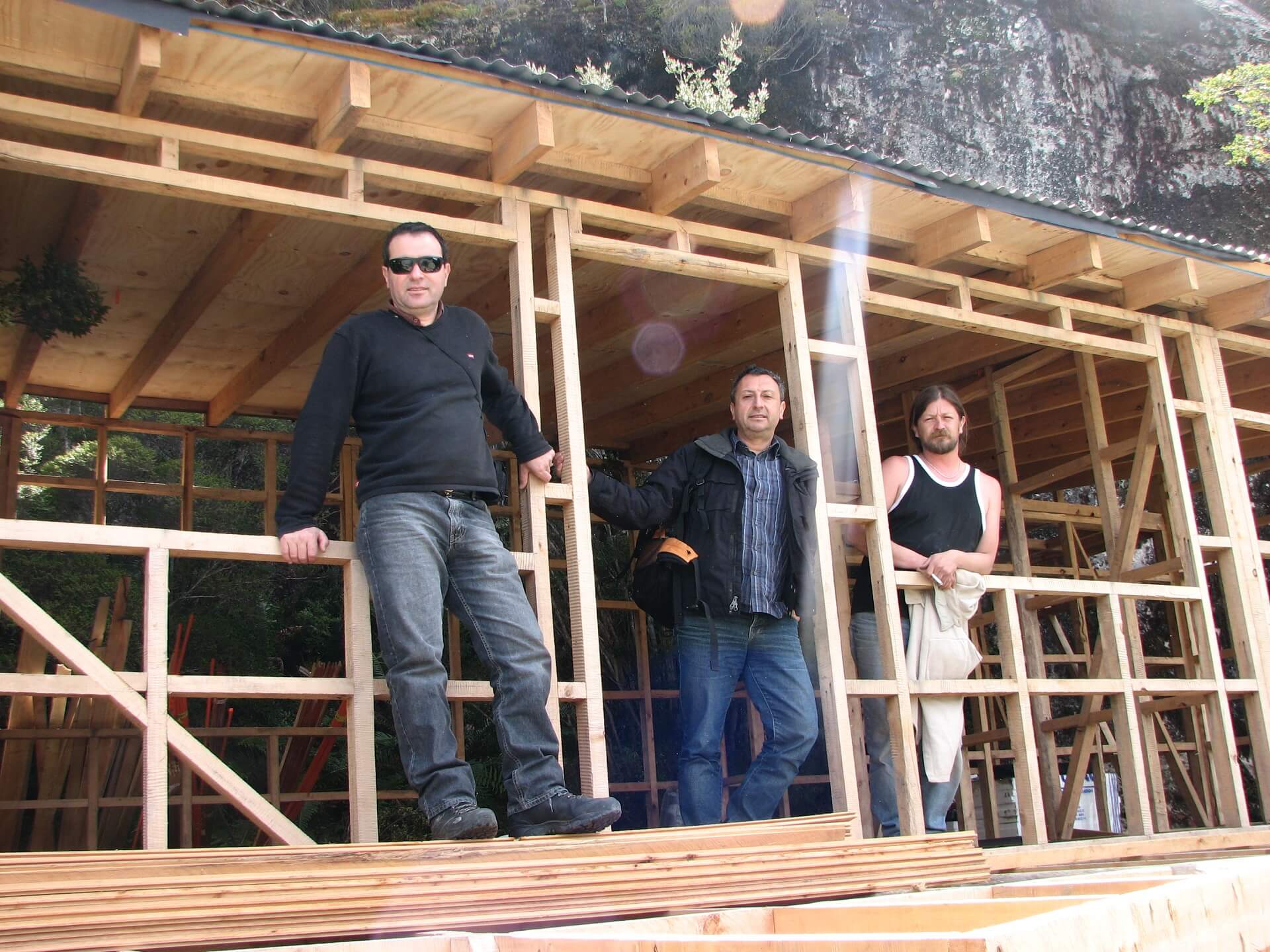
Throughout 17 years of activity, COPAS has pioneered the collection and dissemination of high-quality oceanographic data in Patagonia, established long-term observation systems along the Chilean coast, and consolidated a research and outreach hub in Caleta Tortel, one of the most remote areas of Aysén. Now in its third funding cycle, COPAS Coastal is extending its scope beyond Patagonia to address the complexity of Chile’s entire coastal ocean, while maintaining its mission of scientific excellence, knowledge transfer, and public engagement.
MISSION
The mission of COPAS Coastal is to contribute to the capacity of the country to face present and future climatic and anthropogenic modifications of coastal ecosystems, through oceanographic research, the development of interdisciplinary capacities and the transfer of technology and knowledge to the public and private sectors. Building on a solid record of high-quality research and an expanding network of ocean observation systems, we encompass the wide range of environmental scenarios and levels of transformation driven by climate change and human activity.
VISION
Our vision is to advance oceanographic knowledge through a multidisciplinary and integrative approach, with research lines that share interconnected and cross-cutting objectives. We combine field observations—supported by long-term monitoring systems—with innovative laboratory experiments and the development of physical and biogeochemical models. This integration enables us to understand how human activities and climate change affect Chile’s coastal ocean at different scales and levels of complexity. All of our research converges in MOTOR (Modeling, Technology, Outreach, and Knowledge Transfer), a framework that connects scientific research with society. Through MOTOR, we seek not only to apply scientific findings but also to ensure that knowledge informs decision-making processes in Chile’s regulatory and management systems.
OUR LOGOS
Developed by Gerardo López-Rübke, penquist publicist, who generated our corporate image based on the relationship between the earth, the ocean, and that inhabits it.
Our main brand represents the coastal sector. This brand was created under the concept of an integrated oceanic landscape: sky, beach, surface water, and the deep sea, all enclosed in one unit. The shape of the logo looks like a “ocean wave” and likewaise to a letter “C” for COPAS Coastal.
The four colors of the logo represent the center’s four lines of Research: Evolving Coastal Ecosystems, Coastal Biogeochemistry, Fisheries Sustainability, and Atmospheric and Ocean Forcing Conservation. The fifth color generates unity, representing the planet.
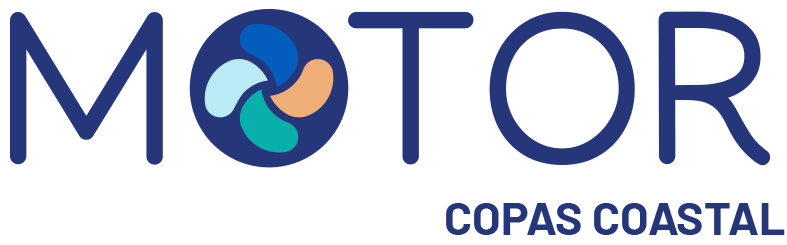
The second brand is created under the concept of a MOTOR, generator of knowledge and scientific expansion.The shape looks like a propeller, always in motion, and each blade represents an axis of action of the unit: Modeling, Technological Development, Education and Scientific Dissemination and Public Service and Natural Resources. The colors are the same that the “mother” brand gives us, COPAS Coastal.